
Kidney Tumor Classification AI
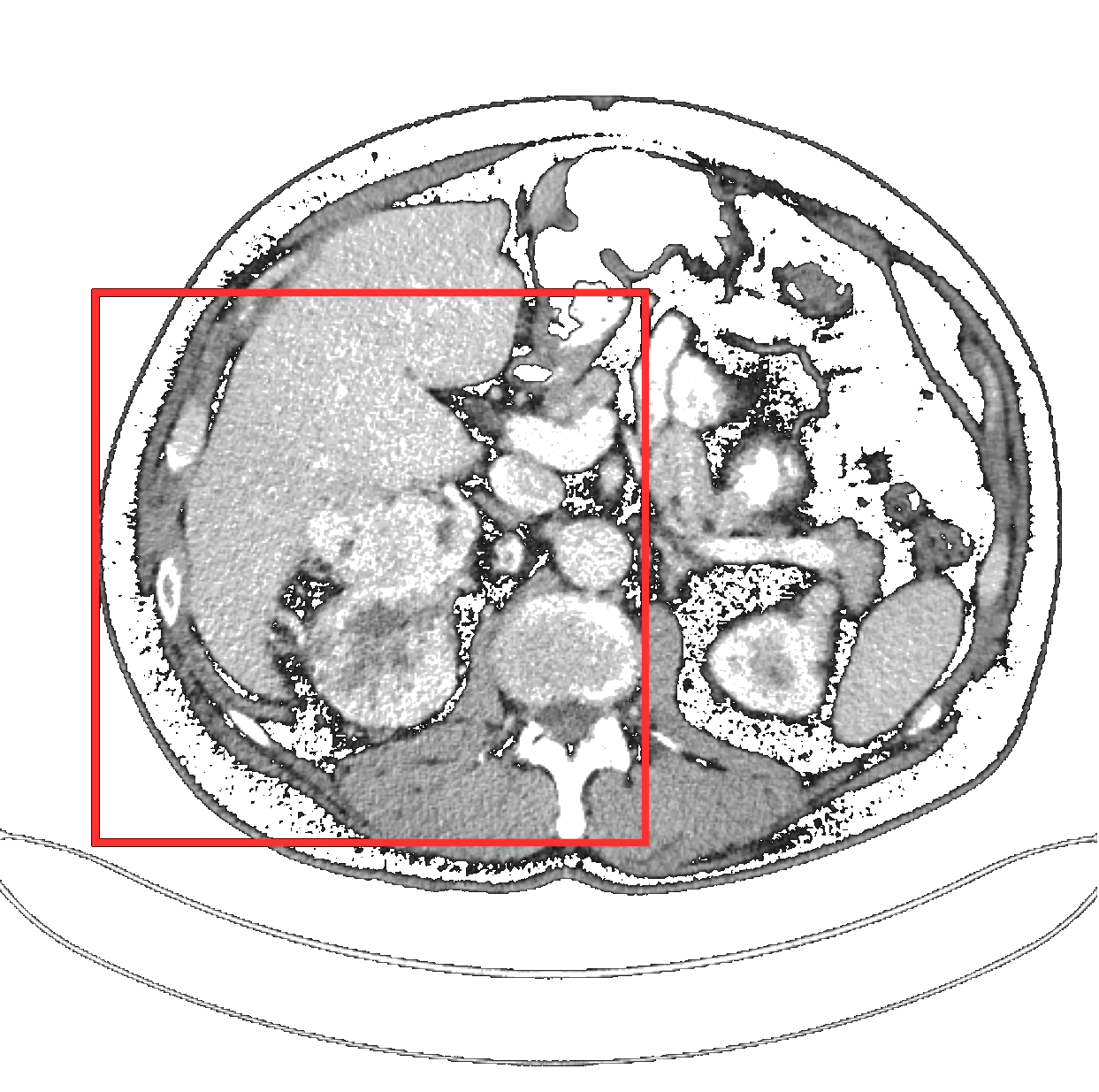
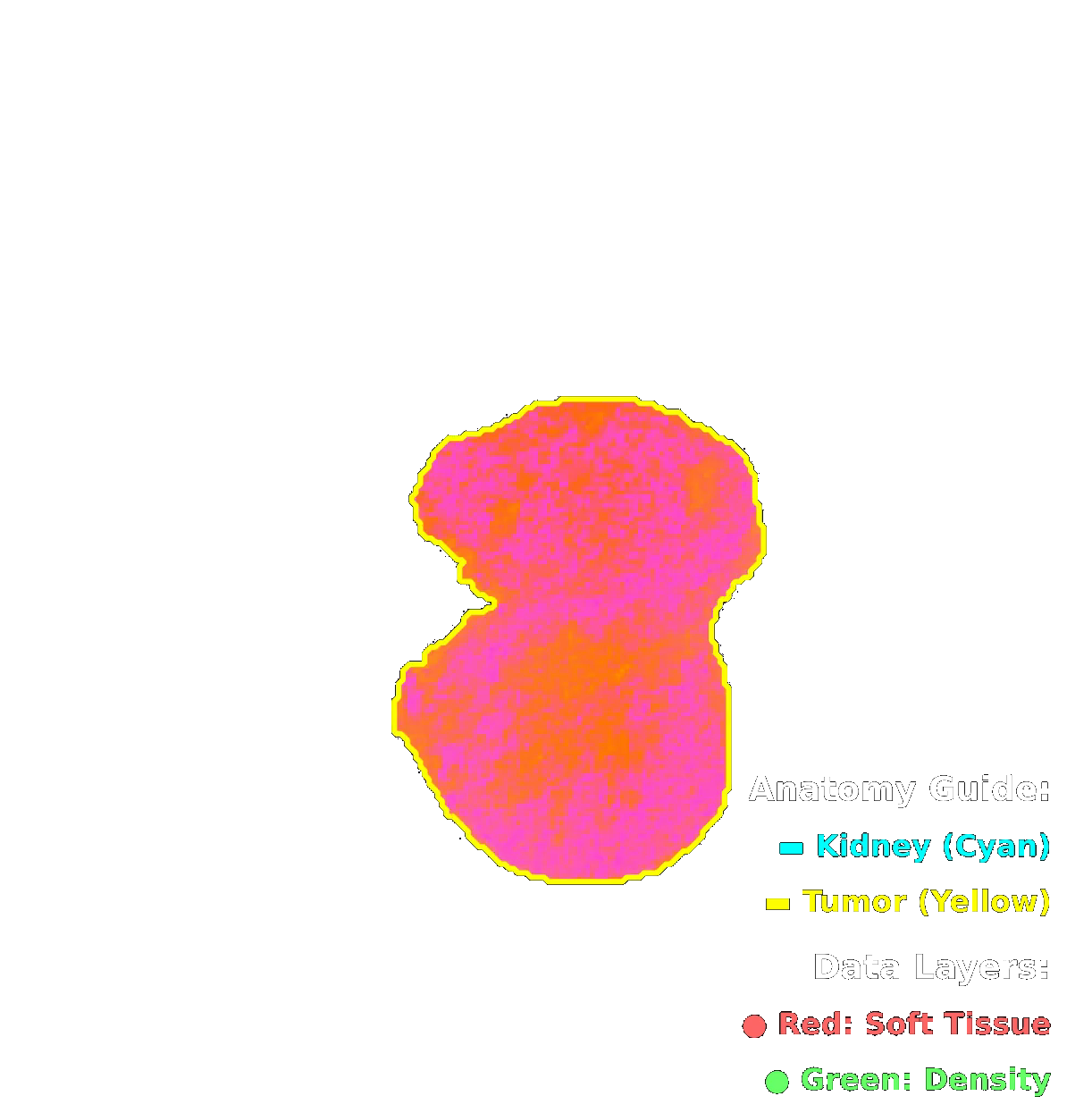
TendersLab developed a state-of-the-art End-to-End (E2E) Deep Learning system serving as a high-fidelity Clinical Decision Support System (CDSS). The model rapidly identifies and classifies kidney tumors as benign or malignant with exceptional accuracy, empowering diagnosing physicians with data-driven insights.
97%
Diagnostic Accuracy
600+
Validated CT Scans Utilized
E2E
Deep Learning Model
XAI
Interpretable Results
Architectural Efficiency
Features a highly optimized ~11 million parameter architecture. This enables rapid, local inference on standard medical edge devices—delivering state-of-the-art diagnostic performance without requiring specialized GPU hardware setups.
Methodology & Validation
Built as a robust proof-of-concept utilizing a public dataset of 600 CT scans. The E2E architecture bypasses manual segmentation entirely, vastly reducing processing time and human error.
Clinical Scale-Up at Sheba
Designed for national scale. Sheba Medical Center is currently evaluating the implementation and expansion of this project utilizing their extensive internal, proprietary hospital dataset of 2,000+ CT scans.
Reduction of Unnecessary Surgeries
Current clinical data reveals that 7% to 33% of kidney surgeries across various hospitals are performed on benign tumors due to diagnostic ambiguity. For targeted initiatives like Clalit's "Clinics of the Future", the model acts as a "second pair of eyes", allowing high-accuracy differential diagnosis. By correctly identifying benign cases, it prevents these costly, invasive, and potentially harmful redundant surgeries, significantly improving patient outcomes while optimizing healthcare resource allocation.
Risk Mitigation via Explainable AI
Integrates "Responsible AI" metrics to provide interpreting physicians with fully interpretable results. This directly minimizes diagnostic ambiguity, reducing the risk of medical malpractice claims and bolstering clinician confidence.